North Hampshire/Surrey

Paul Sweet
Mob: 07810 688 620

South West Hampshire

Philip Tarrant
Mob: 07702 085 605

Posted on: 2026-03-02
Author: Paul Sweet
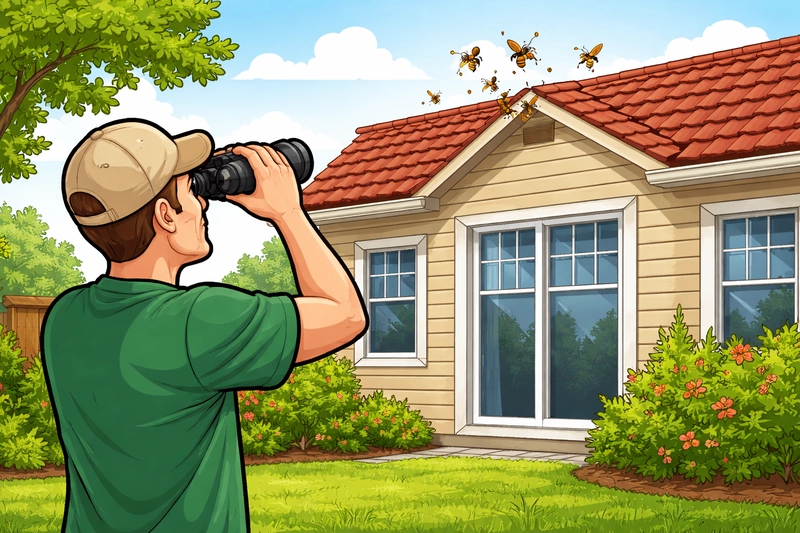
Cartoon of a man in his garden using binoculars to watch wasps entering a nest at the ridge

What Time of Year Is Best for Wasp Nest Removal

When Should You Remove a Wasp Nest?

One question we get asked a lot is: when is the best time to remove a wasp nest? The obvious answer is as soon as you discover it. Smaller nests in late spring or early summer are generally far easier to handle. At this stage, the nest is less developed, and there are far fewer wasps to contend with.

Why Early Removal Is Easier

Smaller nests have several advantages when it comes to removal. After treatment, the nest will die off more quickly, leaving less debris behind. Additionally, fewer wasps mean less insecticide is required to safely eliminate the colony. Acting early not only makes the job easier but also minimises the risk of stings and other hazards associated with larger nests.

Late Discoveries: Why Some Nests Go Unnoticed

For one reason or another, some nests are not discovered until later in the season. This usually occurs when nests are tucked away in hidden spots, such as high roof spaces, wall cavities, or dense shrubbery. Often, the first sign of these nests is increased wasp activity indoors or noticeable aggression around certain areas of your property.

Typical Nest Locations and Seasonal Patterns

Most years, our season begins with smaller nests found in sheds or low-lying areas. European wasps, which often nest in bushes, shrubs, and low trees, are typically noticed earlier because people encounter them while gardening, such as trimming hedges and clearing foliage. These early sightings give homeowners the opportunity to address the issue before nests expand.

When to Start Searching for Nests on Your Home

The best time to start actively looking for wasp nests on your house is around mid-June. By this time, nests that have been quietly growing will have enough visible activity to make them noticeable. However, they have not yet reached a large size, making removal safer and more manageable. Mid-June offers the perfect balance between detectability and ease of treatment.

Signs a Wasp Nest Is Developing

When checking for nests, pay attention to increased wasp traffic around certain parts of your property. The back-and-forth flight patterns, consistent visits to food or drink sources, and unusual noise inside walls or under eaves can all indicate the presence of a nest. Acting quickly when you notice these signs prevents the colony from reaching a point where treatment becomes risky and complicated.

Our fee for treating a Wasp or Hornet nest is a straight forward £65.00. This cost includes all the expenses associated with the treatment, such as callouts, climbing ladders, working in lofts, and any essential treatments. There are no hidden costs, and we want to ensure that you know exactly what you will be paying for our services.

If you've discovered additional nests on your property, we can treat them during the same visit for an extra £15.00 per nest. This offer is only applicable if treated at the time of the original callout. So, if you have multiple nests on your property, call us, and we can discuss a fixed price to handle all the nests in a single visit.

We are certified and fully insured professionals, and all our work comes with a guarantee. Payment is due upon completing the job, and please note that we do not accept bank transfers. Additionally, no value-added tax (VAT) is applied to our charges.

Please ensure that you have correctly identified the species of flying insect causing concern before contacting us. If you are not certain, you can send us a clear photo, and we will be happy to assist in identifying the issue. Alternatively, you can call us, and we will discuss the problem and provide advice.

We strongly advise against using proprietary products you may have purchased to treat the nest, as this action can often lead to disastrous consequences. If you decide to embark upon this often hazardous endeavor, please do not call us to sort out the frequently dangerous aftermath.

Please do not contact us for any issues related to bees, as we do not provide treatment for any bee species.

When you book our services, we will assign you an approximate morning or afternoon time slot. We promise to be there as scheduled and kindly request that you be present at home to ensure a smooth process.

For safety reasons, we recommend keeping children and pets indoors and closing windows and doors during and for several hours after treatment. Please keep in mind that we work weekends, so if you discover a nest in your garden during the weekend (Saturday or Sunday), give us a call, and we will make every effort to respond to your situation as soon as possible.

×