First Aid Steps and When to Get Emergency Help
Most Wasp Stings Are a Temporary Nuisance
Generally, most wasp stings amount to nothing more than a brief inconvenience. The initial pain hits hard, but it usually fades within an hour or so for most people. After the sharp sting passes, the affected area often becomes red and swollen, and some individuals notice itchiness that lingers for a few days. These local reactions stay confined to the sting site and resolve on their own without major issues.
What Makes a Wasp Sting Hurt: The Venom Breakdown
Wasp venom packs a mix of chemicals that trigger immediate pain and inflammation. Key components include histamine, which contributes to swelling and itching, dopamine, and mast cell degranulating peptides (often called mastoparans in wasp venoms). These mast cell degranulating peptides prompt mast cells to release even more histamine and other inflammatory substances, amplifying the body's response at the sting site. The combination creates the burning sensation, redness, and swelling that follow a sting.
Older Wasps and Potential Bacterial Contamination
Older wasps sometimes carry bacteria in their sting sacs. Wasps lead rough lives in environments full of dirt and decay, and they hunt in places where bacteria thrive, and they drag their stingers along surfaces. Over time, bacteria can enter the sting sac and contaminate it. When an older wasp stings, it may deliver not only venom but also bacteria into the sting site. This added contamination can make the sting site much worse than a typical clean venom injection, leading to increased redness, prolonged swelling, or even signs of infection, such as pus or spreading warmth.
How Wasps Sting Repeatedly Unlike Bees
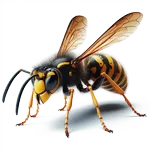
Wasps differ from bees in their stinging ability. Bees have a large, barbed stinger that lodges in the skin. As the bee struggles to get free, the sting and sting sack tear away from the bee's body, causing the bee to die after one sting. Wasps, however, possess a smooth stinger with only a small barb. This design lets them withdraw the stinger easily and sting again immediately if threatened. A single agitated wasp can deliver multiple stings in quick succession, injecting more venom each time and potentially worsening the reaction.
First Aid Steps for a Standard Wasp Sting
Act quickly after a sting to ease symptoms and reduce complications. Follow these practical steps based on standard UK guidance:
Step 1: Clean the Area
Wash the sting site right away with soap and water or an antiseptic wipe. Cleaning helps remove surface dirt and bacteria and lowers the risk of secondary infection, especially if bacteria were introduced with the venom.
Step 2: Apply Cold to Reduce Swelling
Place a cold compress, ice pack wrapped in a cloth, or a bag of frozen vegetables on the area for 10-20 minutes at a time. Repeat as needed, but avoid direct ice contact with skin to prevent frostbite. Cold constricts blood vessels, reducing swelling and numbing pain.
Step 3: Manage Pain and Itching
Take over-the-counter painkillers like paracetamol or ibuprofen to handle discomfort and inflammation. For itching, an antihistamine tablet (such as cetirizine or loratadine) or a hydrocortisone cream from a pharmacy can provide relief. Raise the affected limb if possible to help limit swelling.
Step 4: Monitor for Infection Signs
Watch the site over the next few days. If redness spreads, the area feels hot, pus appears, or you develop a fever, it may indicate a bacterial infection—particularly from contaminated venom. In these cases, see a pharmacist or GP promptly; they can supply antibiotics if required.
Severe Reactions: When a Sting Becomes Life-Threatening
Some people react strongly to wasp venom due to hypersensitivity. This can trigger anaphylactic shock, a rapid and dangerous whole-body response. Symptoms appear within minutes and include:
- Swelling of the face, lips, tongue, or throat
- Difficulty breathing or wheezing
- Dizziness, faintness, or collapse
- Hives or widespread rash
- Rapid heartbeat or low blood pressure
- Nausea, vomiting, or abdominal pain
These signs signal anaphylaxis and require immediate action. If you or someone else shows any of them after a sting, call 999 right away. Tell the operator it's a suspected anaphylactic reaction to a wasp sting. If the person carries an adrenaline auto-injector (like an EpiPen), use it immediately as trained, then seek emergency help. Quick medical intervention with adrenaline, oxygen, and other treatments can be lifesaving.
Desensitisation Programs for Hypersensitive Individuals
For those with confirmed severe allergies to wasp venom, NHS specialists offer desensitisation programs, also known as venom immunotherapy. This treatment involves gradual injections of small, increasing amounts of purified wasp venom over weeks or months. The process builds tolerance, so future stings cause much milder or no systemic reactions. Effectiveness reaches up to 95% in many cases of wasp venom allergy. An allergy clinic assesses suitability, and treatment occurs under close supervision due to the small risk of reactions during dosing. Patients stay monitored after each injection, and adjustments are made to handle factors like asthma or certain medications.
If you've had a severe reaction before or carry an auto-injector, consult your GP or an allergy specialist about referral for testing and potential desensitisation. For nest problems leading to stings, professional removal prevents repeat encounters—contact a local expert for safe handling.