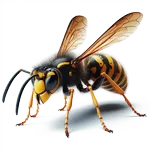
The Role of Wasps in the Ecosystem: Why Complete Eradication Isn't the Goal
Wasps are often viewed with suspicion and frustration. Their sudden appearances at outdoor meals, their aggressive defence of nests, and the pain of their stings have earned them a reputation as one of nature’s least welcome insects. Despite this, wasps play a vital part in the environment, just as every living creature does. Their presence supports ecological balance in ways that are frequently overlooked, particularly when emotions take over our understanding of their role.
While it is understandable that people want to avoid wasp stings and property damage, treating wasps solely as a nuisance ignores the significant benefits they provide. The idea of removing them entirely may sound appealing on the surface, but the consequences would ripple far beyond a quieter summer garden.
Nature’s Insect Pest Controllers
One of the most important roles wasps play is acting as natural pest controllers. Many wasp species are predatory, capturing and feeding on other insects to sustain their colonies. Flies, caterpillars, aphids, beetles, and a wide range of crop-damaging insects are all on the menu. This makes wasps a frontline defence against insect populations that would otherwise grow unchecked.
Worker wasps spend a significant portion of their lives hunting. They chew captured insects into manageable portions and transport them back to the nest to feed developing larvae. This constant demand for protein results in an astonishing number of insects being removed from the environment every year.
The Scale of Insect Removal
It cannot be overstated just how many insects wasps remove from nature annually. A single wasp colony can capture thousands of insects over the course of a season. When multiplied across landscapes, gardens, farmland, and woodland, the impact is enormous. Without this natural form of population control, many insect species would experience explosive growth.
Unlike chemical solutions, wasps target living prey selectively. They respond to changes in insect populations, increasing hunting activity when food sources are abundant and reducing pressure when numbers drop. This balance helps maintain stable ecosystems without the collateral damage caused by synthetic insecticides.
Wasps and Agricultural Balance
In agricultural settings, wasps provide an often-unacknowledged service. Crop pests such as caterpillars and flies cause billions in damage globally each year. Wasps help limit these losses by naturally reducing pest populations, especially in areas with diverse habitats.
Farms that support natural predators often rely less on chemical pest control. This benefits not only the crops but also soil health, pollinators, and surrounding wildlife. Removing wasps from this equation would weaken one of the natural safeguards that protect food production systems.
The Consequences of Removing Wasps Entirely
If we were to remove wasps completely, the results would not be good. Insect populations currently kept in check would increase rapidly. Species considered minor pests today could become major threats to crops, gardens, and native plants.
This surge in pest numbers would almost certainly lead to greater reliance on insecticides. Increased chemical use brings its own set of problems, including contamination of water sources, harm to beneficial insects, and the development of pesticide-resistant species. The loss of wasps would push ecosystems toward a more artificial and fragile state.
Knock-On Effects in the Food Chain
Wasps also form part of the food web. Birds, mammals, reptiles, and other insects feed on them. Removing wasps would reduce food availability for these species, potentially leading to further population declines and imbalance.
Ecosystems are interconnected systems, not isolated parts. Removing one component, even one that seems unpleasant, can destabilise the whole. Wasps help maintain equilibrium by both consuming prey and serving as prey themselves.
Why Wasps Are Seen as Aggressive
The aggressive reputation of wasps is not entirely undeserved, but it is often misunderstood. Wasps are defensive rather than malicious. Most stings occur when nests are threatened or when wasps feel trapped or startled.
During late summer, when food becomes scarce and colonies reach peak size, wasps are more likely to interact with humans. This seasonal behaviour contributes significantly to their negative image, even though it accounts for only a small part of their lifecycle.
Responsible Wasp Management
As pest controllers ourselves, the goal is not to eliminate wasps indiscriminately. Instead, it is to manage specific problems where wasps or their nests pose a genuine hazard or risk of damage. This approach recognises both human safety and environmental responsibility.
Problem nests located near homes, schools, workplaces, or areas of heavy foot traffic may require removal. In these cases, targeted intervention protects people without causing unnecessary harm to wider wasp populations.
Coexistence Over Eradication
In many situations, wasps can be left alone to complete their natural lifecycle. Nests distant from human activity pose no risk and will be naturally abandoned at the end of the season. Allowing these colonies to exist supports natural pest control without impacting daily life.
Understanding the role of wasps helps shift the focus from fear-driven responses to informed decision-making. Balanced pest control strategies aim to reduce conflict while preserving the ecological benefits wasps provide.
By recognising wasps as essential contributors to insect regulation and environmental stability, it becomes clear why complete eradication is neither practical nor desirable. Their presence, though sometimes inconvenient, plays a quiet but powerful role in keeping ecosystems functioning as they should.