North Hampshire/Surrey

Paul Sweet
Mob: 07810 688 620

South West Hampshire

Philip Tarrant
Mob: 07702 085 605

Posted on: 2026-05-04
Author: Paul Sweet
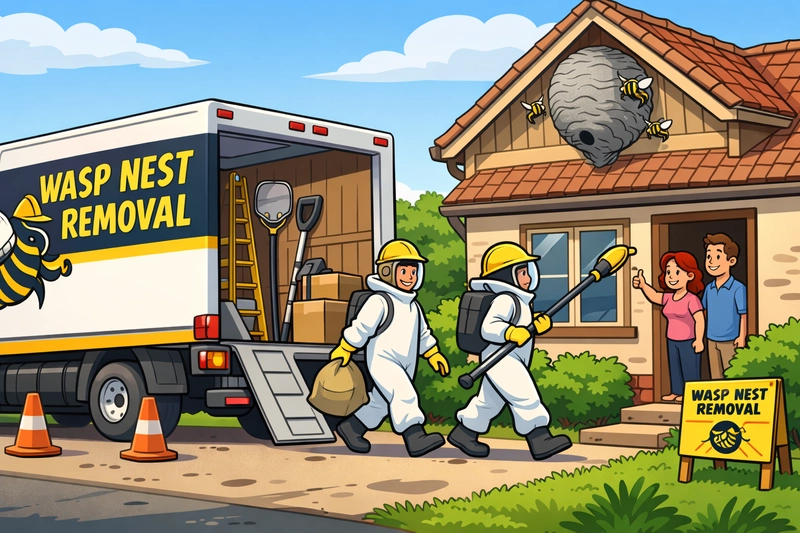
Cartoon illustration of a wasp nest removal lorry with workers removing an old wasp nest from a house

Should I Remove an Old Wasp Nest?

Finding an old wasp nest in your loft or garden can be surprising, but in most cases, it doesn’t require any action. Wasps use their nests for just one season. Once the season ends and the colony dies off, the nest is abandoned and will not be reused in subsequent years.

Why Leaving the Nest Alone is Often Best

If the nest is in a location that isn’t causing any problems, such as tucked away in a loft corner or in a high tree branch, leaving it alone is usually the safest choice. Old nests are essentially empty shells and do not pose a threat.

Old Nests Can Signal Good Nesting Spots

Removing an old nest can unintentionally make the area appealing for new wasps. Wasps are creatures of habit and are likely to build in a suitable location. By leaving the old nest in place, you may actually reduce the chance of a new colony moving in, as the ideal spot for a nest is already taken up with an old nest.

When Removal Becomes Necessary

There are situations where removing an old wasp nest makes sense. If the nest is blocking access, interfering with maintenance work, or poses a hazard for electricians, plumbers, or other professionals who need to access the area, removal is reasonable. In these cases, it’s best to take care when handling the nest, even if it’s empty. The structure of a wasp nest is very delicate and will easily crumble if handled roughly.

Gently dislodge the nest from its attachment point and dispose of it in a sealed bag to avoid spreading debris. This approach keeps the area cleaner for future maintenance.

Understanding Wasp Behaviour

Knowing that wasp nests are single-season structures can reduce anxiety about encountering them. Wasps are generally active during warmer months, and the nests deteriorate naturally once abandoned. Observing this behaviour helps homeowners make informed decisions about whether intervention is really needed.

Our fee for treating a Wasp or Hornet nest is a straight forward £65.00. This cost includes all the expenses associated with the treatment, such as callouts, climbing ladders, working in lofts, and any essential treatments. There are no hidden costs, and we want to ensure that you know exactly what you will be paying for our services.

If you've discovered additional nests on your property, we can treat them during the same visit for an extra £15.00 per nest. This offer is only applicable if treated at the time of the original callout. So, if you have multiple nests on your property, call us, and we can discuss a fixed price to handle all the nests in a single visit.

We are certified and fully insured professionals, and all our work comes with a guarantee. Payment is due upon completing the job, and please note that we do not accept bank transfers. Additionally, no value-added tax (VAT) is applied to our charges.

Please ensure that you have correctly identified the species of flying insect causing concern before contacting us. If you are not certain, you can send us a clear photo, and we will be happy to assist in identifying the issue. Alternatively, you can call us, and we will discuss the problem and provide advice.

We strongly advise against using proprietary products you may have purchased to treat the nest, as this action can often lead to disastrous consequences. If you decide to embark upon this often hazardous endeavor, please do not call us to sort out the frequently dangerous aftermath.

Please do not contact us for any issues related to bees, as we do not provide treatment for any bee species.

When you book our services, we will assign you an approximate morning or afternoon time slot. We promise to be there as scheduled and kindly request that you be present at home to ensure a smooth process.

For safety reasons, we recommend keeping children and pets indoors and closing windows and doors during and for several hours after treatment. Please keep in mind that we work weekends, so if you discover a nest in your garden during the weekend (Saturday or Sunday), give us a call, and we will make every effort to respond to your situation as soon as possible.

×