Is a Small Wasp Nest Dangerous – or Can I Leave It Alone?
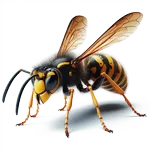
Finding a small wasp nest on your property can raise an immediate question: is it something to worry about, or can it safely be ignored? The size of a wasp nest does affect how much of a risk it poses, but size alone does not tell the full story. Even a small nest deserves careful consideration, as wasps are highly defensive insects that react quickly when they feel threatened.
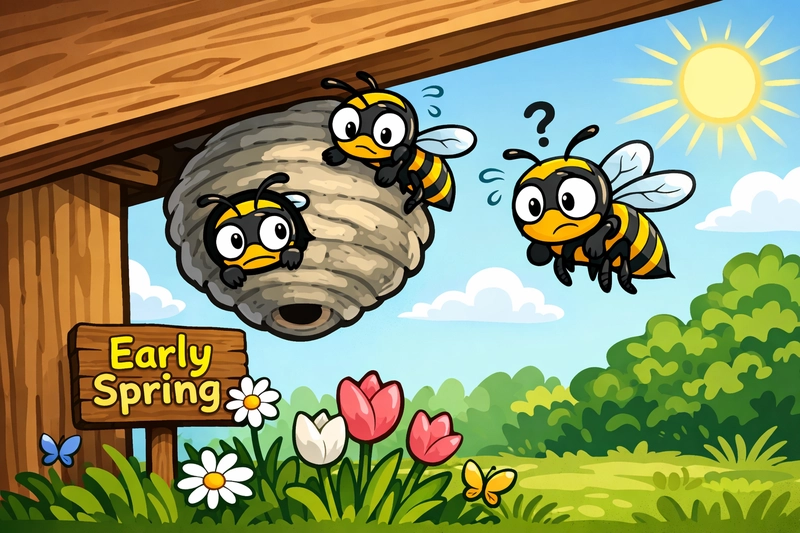
Small wasp nests often appear in early spring, tucked away in sheds, lofts, roof eaves, garages, or sheltered corners of gardens. At first glance, they may seem harmless due to their modest size and low number of visible wasps. However, understanding how wasps behave and how nests develop is key to deciding whether leaving it alone is truly the safest option.
Why Small Wasp Nests Are Considered Lower Risk
Small wasp nests generally pose a smaller risk for several reasons. The most obvious factor is population size. A newly formed nest may contain only a handful of worker wasps and a queen, which significantly reduces the likelihood of aggressive behaviour compared to a mature nest housing hundreds or even thousands of wasps.
When wasp numbers are low, the insects tend to act with less confidence. Wasps rely heavily on strength in numbers when defending their nest, and smaller colonies are often more cautious. This means that casual human activity nearby may go unnoticed, especially if the nest is well hidden and undisturbed.
Another factor is nest placement. Nests are often built in quiet, sheltered locations that experience little foot traffic. If the nest is out of the way and not close to doors, pathways, or frequently used spaces, interactions between people and wasps are less likely to occur.
Why a Small Nest Should Not Be Underestimated
Although smaller nests are generally less dangerous, they should never be underestimated. Wasps are territorial by nature, and any direct interference with their nest can trigger an immediate defensive response, regardless of size. Even a few wasps can deliver multiple painful stings, and for those with allergies, a single sting can be life-threatening.
Accidental disturbance is one of the most common causes of wasp attacks. Activities such as opening a shed door, retrieving items from storage, gardening (particularly hedge trimming), or carrying out maintenance work can bring people dangerously close to a nest without warning. If a wasp perceives sudden movement or vibration as a threat, it may attack and release alarm pheromones that prompt others to follow.
It is also important to remember that wasps do not need to be provoked intentionally. Simply standing too close for too long can be enough for them to react defensively.
Leaving a Small Wasp Nest in Spring
In some cases, small wasp nests discovered in spring can be left alone temporarily. Early in the season, nests are often still in the initial stages of development and may contain very few wasps. If the nest is positioned in a location where it is unlikely to be interfered with, such as a high roof void or a rarely accessed outbuilding, leaving it alone may seem reasonable.
However, this decision should always be made with an understanding of how quickly circumstances can change. Spring nests are not static structures, and their growth can accelerate rapidly once worker numbers increase.
How Wasp Nests Really Grow
One common misconception is that wasp nests grow gradually over time. In reality, nest growth often happens in noticeable phases rather than at a steady pace. The speed of expansion depends on how many wasps are available to carry out nest-building duties.
When new wasps hatch and mature into workers, they begin contributing to construction almost immediately. As the workforce increases, nest-building activity intensifies. This is why a nest may appear relatively small and manageable one week, only to become dramatically larger the next.
It is not unusual for a nest to grow from the size of a tennis ball to the size of a rugby ball within a very short period. This rapid change can catch homeowners off guard, especially if the nest was previously considered insignificant.
Population Growth and Behaviour Changes
As the nest grows, so does the wasp population, and with it comes a noticeable shift in behaviour. Larger numbers give wasps greater confidence, making them more likely to defend their territory aggressively. Increased activity around the nest also makes it more visible and harder to avoid.
By mid to late summer, even a nest that once appeared small can now house hundreds of wasps. At this stage, leaving it alone is no longer a simple decision, as the risk of stings rises sharply.
When Leaving a Small Nest Becomes a Problem
Timing plays a crucial role in deciding whether a small wasp nest can be left alone. What may be a low-risk situation in early spring can turn into a serious issue within weeks. The longer a nest is left, the more complex and hazardous the situation can become.
If a nest is located near entrances, windows, children’s play areas, or anywhere people regularly pass, the chances of accidental disturbance increase significantly. In these cases, even a small nest may pose an unacceptable risk.
There is also the practical consideration of control. Smaller nests are typically easier to manage than large, established ones. Leaving a nest too long can result in a much more challenging problem later in the season.
Practical Advice for Homeowners
Small wasp nests can sometimes be left for a short period if they are unlikely to be interfered with and are located well away from daily activity. However, this should always be viewed as a temporary decision rather than a permanent solution.
Regular observation is essential. Any noticeable increase in wasp numbers or nest size should prompt a reassessment of the situation. Ignoring early warning signs can lead to a very different and more dangerous scenario in a matter of weeks.
The key takeaway is that while small nests pose a smaller risk, they should never be dismissed entirely. Acting sooner rather than later often prevents unnecessary stress, disruption, and potential injury as the season progresses.