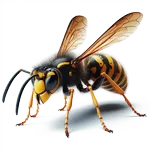
How Mild UK Winters Are Affecting Wasp Survival and Early Nest Building
Unexpected Effects of Mild Winters on Wasps
At first glance, it seems logical that mild winters would be beneficial for wasps and other hibernating insects. After all, they are less likely to freeze to death when temperatures remain high. However, the reality is more complex. Insects that hibernate have evolved over millennia to cope with harsh, cold winters, and many of their survival strategies actually rely on prolonged periods of low temperatures.
The Role of Diapause in Queen Wasps
Only the queen wasps enter true hibernation, a process known as diapause. During diapause, their metabolism slows dramatically, allowing them to survive the winter months when food is scarce. Crucially, these queens require consistently cold temperatures to maintain this state. Without a sufficient cold period, their internal clocks are disrupted, which can have serious consequences for their survival and the future wasp population.
Rising Winter Temperatures in the UK
Over the past 20 to 30 years, UK winters have become noticeably milder. Some winters feel more like a damp, dull summer rather than the cold months insects have historically endured. During these warmer winters, records and anecdotal reports indicate an increasing number of people finding large wasps alive indoors. Temperatures above 10–12°C for several days and nights are enough to prematurely awaken hibernating queens, bringing them out of diapause before the environment is ready to support them.
Consequences of Early Awakening
When queen wasps wake too early, they face a critical problem: food scarcity. In late winter or early spring, there are few suitable sources of nutrition available for them. Without access to nectar or other necessary sustenance, these queens can starve within a matter of hours. This early awakening, triggered by unusually warm winter temperatures, directly reduces the number of queens able to survive until the spring.
It may seem counterintuitive, but warm winters disrupt the natural life cycle that has been fine-tuned over thousands of years. Wasps, like many hibernating insects, rely on winter’s chill to regulate their reproductive timing and energy usage. Without the cold, the risk of starvation increases for early-awakened queens, and this can ripple through the population, leading to fewer nests and a potential decline in local wasp numbers.
Impact on Wasp Populations and Nest Building
The survival of queen wasps is crucial for the establishment of new nests each year. A lower number of surviving queens in the spring translates into fewer nests and a reduced wasp population overall. While mild winters may seem harmless or even helpful, these conditions can actually be detrimental to wasp colonies. The delicate timing of diapause ensures that queens emerge only when food is available and conditions are optimal for nest building and the first generation of worker production.
Observations From Recent Years
Data from entomologists and wildlife enthusiasts suggests that the pattern is becoming more noticeable. Milder winters consistently result in a rise in indoor sightings of large wasps during months when they would normally be dormant. This pattern aligns with rising average winter temperatures and provides a clear example of how climate fluctuations can disrupt even small-scale ecological balances.
The Delicate Balance of Winter Survival
Insects like wasps demonstrate how finely tuned nature can be. Diapause is not just a survival mechanism; it is a strategy that ensures the continuation of the species. Mild winters, despite their benign appearance, introduce a mismatch between environmental cues and the life cycles of hibernating insects. The consequences are subtle but significant: queens awaken too soon, fail to find food, and the next generation of wasps may be smaller or delayed.
Understanding these dynamics highlights the unexpected ways that climate and seasonal changes affect local wildlife. Even small shifts in temperature can ripple through ecosystems, influencing species survival, reproduction, and long-term population trends.